

How it works
The three things that make a thumbnail readable
Thumbnails are seen at the size of a postage stamp, between dozens of others. What works is not subtle: a face that is separated from the background, a few words set as large as the space allows, and enough contrast that the words survive being shrunk. This tool does exactly those three things and nothing else.
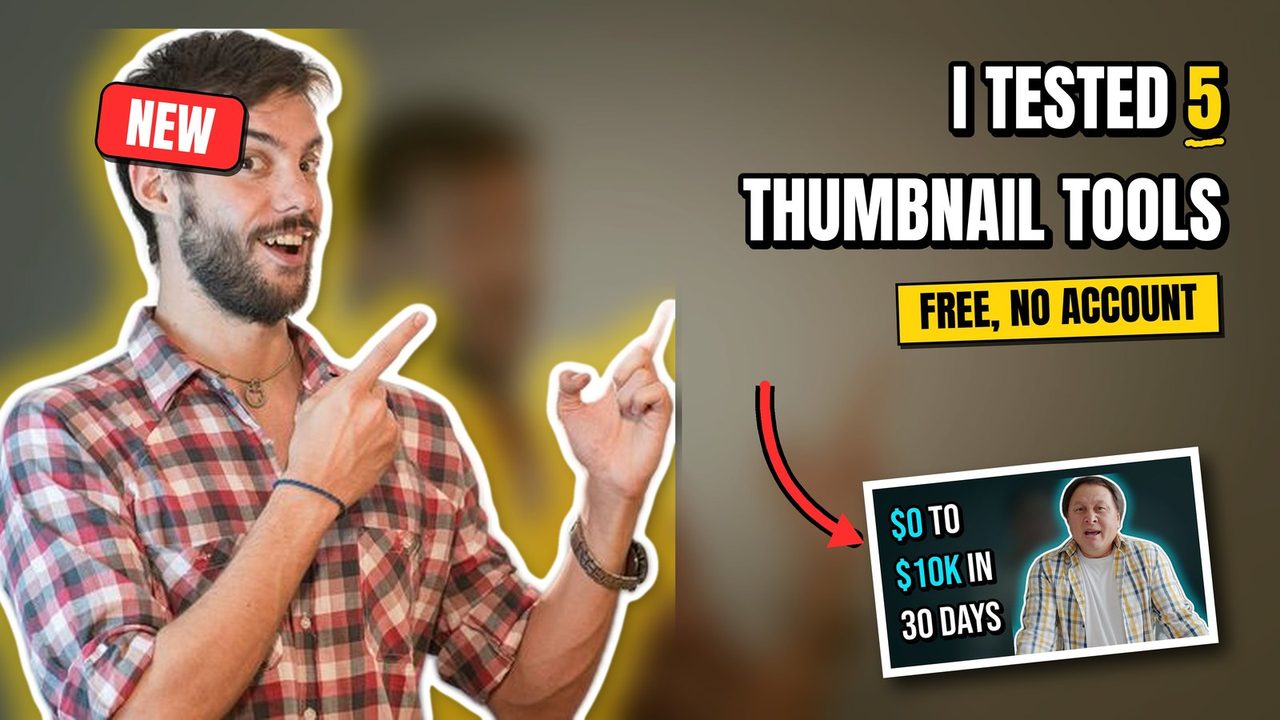
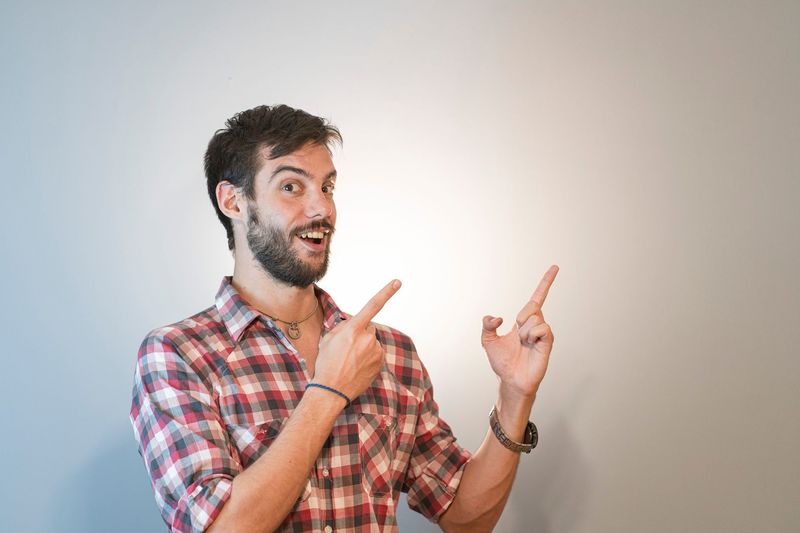
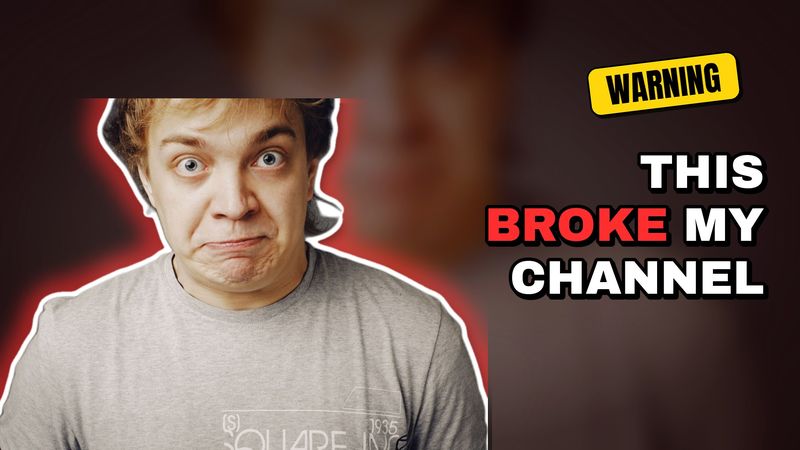
Cutout. A person-segmentation model running on the WoluTools server separates you from the background. The background is then blurred, darkened and slightly saturated so the cutout stands out, and a glow in the accent colour plus a white outline are drawn around you. If the model finds no person, the photo is used as it is and the text is centred.
Type. The headline is set in Anton, Bebas Neue or Archivo Black, the heavy faces used on most large channels. It starts as large as the free space allows and only shrinks if the words do not fit in three lines. A thick black outline and a hard drop shadow keep it readable on any background, and one word between asterisks is coloured in the accent.
Contrast. Four styles set the colours: Bold (yellow highlight, red badge), Alert (red highlight, yellow badge), Dark (cyan highlight on a darker scene) and Clean (thin outline, blue badge). You can override the accent colour, move the person to the other side, and scale them between 60 and 110 percent of the height.
Render, look, change, render again
A render takes a few seconds. If the line does not land, change it and render again: the same photo does not count as a new job, so you can try five headlines on one free job. The photo is kept for one hour for that purpose and deleted afterwards, or immediately when you choose Start over.
What is in the package
The ZIP contains the full-size file at 3840 × 2160 for video or 2160 × 3840 for Shorts, a compact JPG under 2 MB for uploading from a phone, the exact settings used, and a manifest with byte counts and hashes of every file.